
Summary
Recovering from surgery, illness, or injury requires proper nutrition to rebuild strength, repair tissues, and maintain energy. Good nutrition in skilled nursing recovery is personalized to each resident's medical needs and dietary preferences, making healing more effective and mealtimes more enjoyable.
- Protein, vitamins, minerals, and adequate calories support tissue repair, immune function, and energy for healing.
- Therapeutic meal plans address swallowing difficulties, low-sodium needs, high-protein goals, and diabetes management through texture-modified or specially balanced foods.
- Hydration support through fluids, soups, smoothies, and regular reminders helps prevent fatigue and complications common in recovery.
- Comfortable dining environments and familiar, homestyle meals boost appetite and provide emotional support alongside physical nourishment.
- Care teams work with families to understand eating habits and preferences, adjusting nutrition plans as medical needs change during recovery.
Recovering from surgery, illness, or injury takes time, and what someone eats can make a meaningful difference. Good nutrition helps the body repair tissues, rebuild strength, and maintain energy throughout recovery. In skilled nursing care, personalized meal plans address individual dietary needs while making mealtimes comfortable and enjoyable.
For families exploring skilled nursing options in Temple, TX, understanding how nutrition supports healing can help them recognize the value of thoughtful meal planning during recovery.
The Connection Between Nutrition and Recovery
The body needs additional nutrients to heal after surgery, illness, or injury. Nutrition in skilled nursing recovery focuses on providing the right balance of nutrients to support healing and overall wellness.
Key nutritional needs include:
- Protein: Helps repair tissues, support wound healing, and rebuild muscle strength.
- Vitamins and minerals: Support immune function and normal cellular repair.
- Adequate calories: Provide energy for healing and everyday physical functions.
Some older adults enter skilled nursing care with nutritional deficiencies following illness, surgery, or an extended hospital stay. Addressing these concerns early can help support recovery.
Care teams consider each resident's nutritional needs, medical conditions, and appetite when planning meals. This individualized approach helps ensure residents receive appropriate nourishment as their needs change.
Personalized Meal Planning for Individual Needs
No two recovery experiences are exactly alike. Residents may have different medical conditions, dietary restrictions, and nutritional goals.
Therapeutic meal plans in skilled nursing help address these differences while keeping meals appealing and satisfying.
Common dietary adjustments include:
- Texture-modified foods: Softer or pureed meals for residents with swallowing difficulties.
- Low-sodium options: Meals that help residents manage sodium intake.
- High-protein meals: Foods that support tissue repair and muscle recovery.
- Diabetes-friendly choices: Balanced meals that support blood sugar management.
Registered dietitians may collaborate with physicians and nursing teams to develop appropriate nutrition plans. Regular evaluations allow adjustments as residents regain strength or their medical needs change.
This flexibility is an important part of providing nutrition for healing seniors and can benefit them throughout recovery.
Managing Special Dietary Requirements
Some residents need additional dietary accommodations because of diabetes, kidney disease, digestive conditions, or other health concerns.
Meal support in nursing care involves balancing medical requirements with personal food preferences. After all, even a carefully planned meal offers limited benefit if someone doesn't feel like eating it.
Supporting Residents With Swallowing Difficulties
For individuals experiencing swallowing challenges, meals may need different textures or consistencies. Pureed, minced, or softened foods can make eating safer when recommended by the appropriate healthcare professional.
Care teams also monitor eating difficulties and coordinate necessary adjustments. The goal is to provide adequate nutrition while helping residents feel comfortable and respected during meals.
Hydration as a Healing Priority
Drinking enough fluids is another important part of recovery. Dehydration can contribute to fatigue, confusion, and other complications, particularly among older adults.
Skilled nursing dining services may incorporate hydration reminders and assistance throughout the day, depending on each resident's needs.
Helpful approaches include:
- Offering hydrating foods such as soups, smoothies, and fresh fruit.
- Providing different beverage choices to accommodate individual preferences.
- Encouraging regular fluid intake and offering assistance when needed.
Residents with medical fluid restrictions require individualized guidance. Nursing teams can coordinate hydration needs with the resident's broader medical plan.
Creating Positive Dining Experiences
Mealtimes provide more than physical nourishment. They also offer opportunities for conversation, familiar routines, and a welcome break from medical appointments or rehabilitation sessions.
A comfortable dining environment can make eating more enjoyable, especially when someone is adjusting to temporary physical limitations.
Making Meals More Appealing
Food presentation, temperature, and timing can influence appetite. Some residents prefer smaller meals throughout the day, while others appreciate familiar dishes that remind them of home.
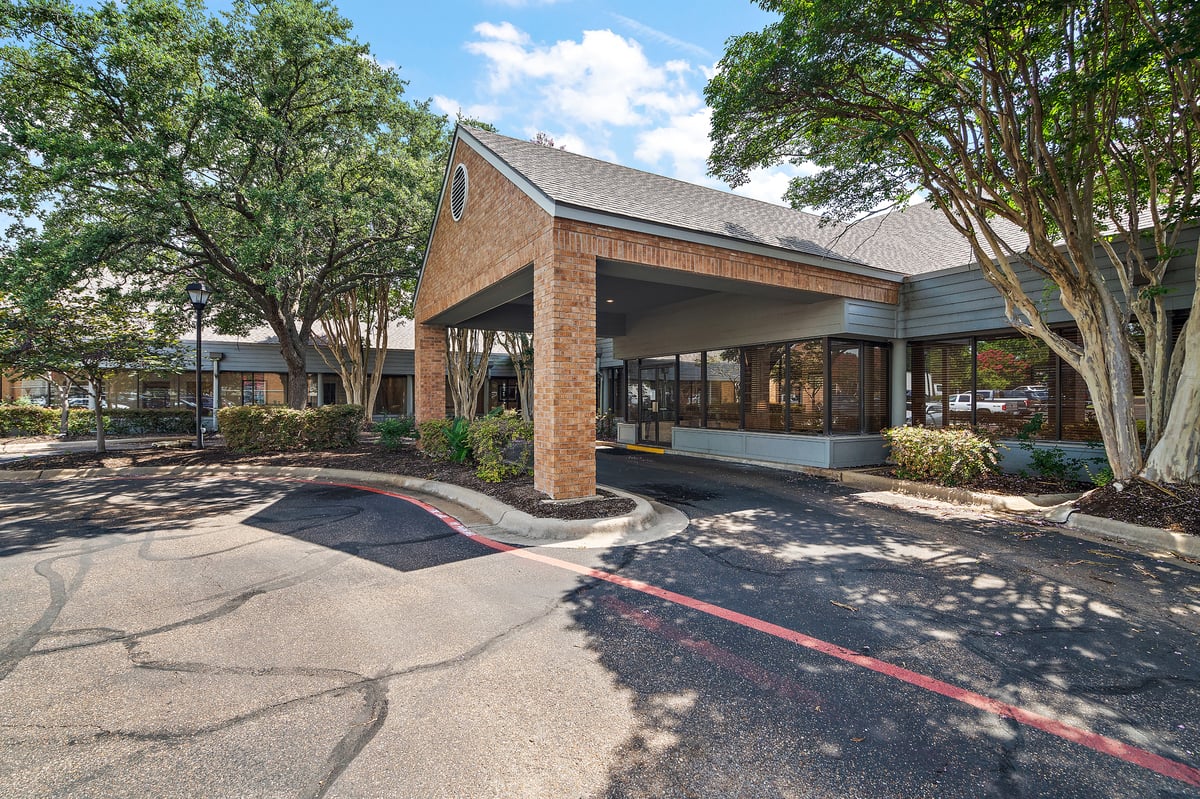
At Morada Temple, the community's welcoming atmosphere and emphasis on dining offer a familiar setting for residents and families exploring senior living options. Homestyle meals and opportunities to connect with others can make everyday dining more enjoyable.
For residents receiving skilled nursing services, dietary accommodations and meal assistance should reflect their individual medical needs.
Family Involvement and Communication
Families can provide valuable information about their loved one's eating habits, favorite foods, and dietary preferences.
When discussing diet therapy for recovery, consider asking the nursing team how they assess nutritional needs, whether dietary adjustments are necessary, and how they monitor progress.
Clear communication helps families understand the recovery process and participate in decisions when appropriate.
Supporting Recovery Through Thoughtful Nutrition
Good nutrition is an important part of recovery, but it works best alongside appropriate medical care, rehabilitation, and ongoing support.
Morada Temple in Temple, TX, offers Active Independent Living and Skilled Nursing options, allowing families to explore different needs within the community. Its skilled nursing services provide advanced rehabilitation and nursing support for higher medical needs.
Understanding the community's senior living options can help families ask informed questions about dining, nutrition, and recovery services.
Contact Morada Temple today to schedule a tour, learn more about skilled nursing services, and discuss how personalized nutrition support fits into your loved one's recovery needs.