
Summary
Choosing between short-term vs. long-term skilled nursing depends on whether your loved one needs temporary recovery support or ongoing medical care. Understanding each option's purpose, costs, and how they fit your situation helps you make the right choice for your family's needs.
- Short-term skilled nursing supports recovery from surgery or illness, typically lasting days to months with therapy and medical coordination.
- Long-term skilled nursing provides ongoing care for chronic conditions or complex health needs requiring continuous nursing supervision.
- Recovery potential, medical requirements, home environment, family support, and finances all influence which option is appropriate.
- Medicare Part A may cover up to 100 days of skilled nursing per benefit period; explore insurance, savings, or Medicaid for extended stays.
- Tour communities to compare therapy services, nursing coverage, individualized care plans, comfort amenities, and social opportunities.
Choosing the right type of skilled nursing care for yourself or a loved one can feel overwhelming, especially when health needs change unexpectedly. Families in Temple, TX, may need to decide between short-term vs. long-term skilled nursing, depending on whether someone needs temporary recovery support or ongoing medical assistance.
Each option serves a different purpose. Understanding how they compare can help you make a decision that supports your loved one's health, comfort, and long-term needs.
Understanding Short-Term Skilled Nursing
Short-term skilled nursing provides medical support for individuals recovering from surgery, illness, or injury. Stays typically last from several days to a few months, depending on recovery progress and individual needs.
The goal is to help residents rebuild strength, improve mobility, and regain daily living skills before returning home.
Common services may include:
- Physical therapy to improve strength, balance, and mobility
- Occupational therapy to rebuild everyday living skills
- Wound care and post-surgical recovery support
- Medication management and ongoing health monitoring
Many individuals enter short-term skilled nursing directly after a hospital stay. Nurses, therapists, and physicians coordinate personalized recovery plans based on individual goals.
The skilled nursing stay duration depends on medical needs, therapy progress, and recommendations from healthcare professionals. Medicare may cover qualifying stays under specific conditions.
Exploring Long-Term Skilled Nursing
Long-term skilled nursing supports individuals who need ongoing medical attention that cannot be safely managed at home. This may include people living with chronic conditions, progressive illnesses, or complex health needs requiring continuous nursing supervision.
Unlike short-term rehabilitation, long-term care focuses on maintaining health, managing symptoms, and supporting everyday comfort.
Residents may receive medication administration, chronic condition management, nutritional support, and assistance with Activities of Daily Living, such as bathing, dressing, and mobility.
Long-term care also provides a consistent living environment where residents can establish familiar routines and build relationships with caregivers.
For families comparing temporary vs. permanent nursing care, the primary difference is whether medical support is expected to be temporary or necessary for an extended period.
Key Factors When Choosing Skilled Nursing Length
Choosing skilled nursing length begins with understanding your loved one's current health needs and likely recovery outlook.
Someone recovering from a hip replacement may benefit from focused rehabilitation before returning home. Someone managing several complex medical conditions may need ongoing nursing assistance.
When deciding skilled nursing timeline, families should consider:
- Recovery potential: Is the condition expected to improve with treatment and therapy?
- Medical requirements: Will ongoing nursing supervision be necessary?
- Home environment: Can the person safely return home after rehabilitation?
- Family support: Are relatives or caregivers available to provide assistance?
- Financial resources: What coverage or payment options are available?
A physician's assessment can help clarify which approach is appropriate. Some families begin with short-term rehabilitation and later reassess whether longer-term support is necessary.
Evaluating Recovery Potential and Medical Needs
Understanding short-term rehab vs. long-term care means looking beyond the immediate diagnosis.
Individuals recovering from joint replacement surgery, strokes, or serious infections may benefit from rehabilitation focused on measurable improvements in strength and mobility.
Recovery timelines vary, and some people may need additional support even after completing therapy.
Long-term skilled nursing may be more appropriate when medical conditions require continued monitoring, frequent nursing interventions, or assistance that cannot be consistently provided at home.
A diagnosis alone does not determine the appropriate setting. Healthcare professionals should evaluate each person's medical needs, functional abilities, and available support before recommending a care plan.
Financial Considerations for Each Option
Costs are another important consideration when comparing short-term vs. long-term skilled nursing.
Medicare Part A may cover up to 100 days of skilled nursing care per benefit period when eligibility requirements are met. Days 1 through 20 generally have no daily coinsurance, while days 21 through 100 require coinsurance.
Coverage is not automatic, and Medicare does not generally pay for long-term custodial care.
Families planning for extended stays may explore personal savings, long-term care insurance, or Medicaid eligibility.
Before choosing a community, ask about daily rates, covered services, insurance acceptance, and potential out-of-pocket expenses. Understanding these details early can help prevent unexpected financial concerns.
Finding the Right Skilled Nursing Community in Temple
After determining the appropriate level of support, the next step is finding a community that meets your loved one's medical and personal needs.
During a tour, ask about therapy availability, nursing coverage, individualized care plans, and how recovery progress is evaluated. For longer stays, consider comfort, dining, and opportunities for social connection.
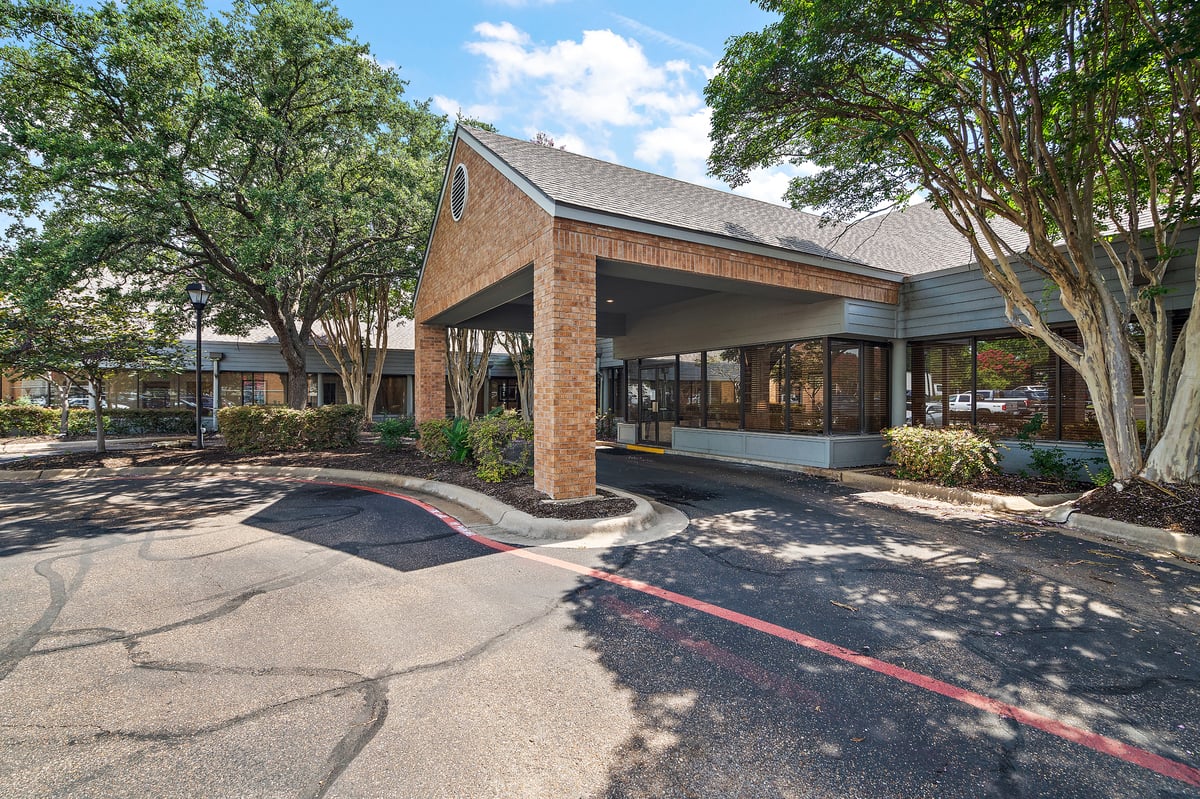
Morada Temple offers both short-term and long-term Skilled Nursing, with 24-hour nursing support and rehabilitation services. The community also offers Active Independent Living, providing different living options on one campus.
Residents can enjoy a welcoming atmosphere, homestyle dining, and opportunities for meaningful connection. These everyday comforts can make a difference during recovery or an extended stay.
Understanding your loved one's medical needs, recovery potential, and financial options can make choosing the right care easier. Schedule a tour of Morada Temple to explore Skilled Nursing options and discuss which approach may best support your family's needs.