
Summary
Many older adults hesitate to accept skilled nursing care due to concerns about independence, finances, and the emotional weight of major life changes. Understanding these common fears helps families approach care conversations with empathy and practical solutions.
- Fear of losing control over daily decisions and personal freedom can be eased by involving parents in care planning and preserving meaningful choices.
- Worries about burdening family members often ease when professional support is framed as enabling quality time together rather than adding responsibility.
- Unfamiliar environments feel less intimidating after touring the community, meeting staff, and learning about routines and services firsthand.
- Financial concerns require transparent conversations about Medicare coverage, long-term care insurance, Medicaid eligibility, and actual costs before making decisions.
- Anxiety about leaving home and familiar connections lessens when meaningful belongings are brought along and regular family visits continue.
- Deeper fears about aging and health changes deserve compassionate listening and conversations with healthcare providers or counselors, not dismissal.
When a parent or loved one needs additional support, families may discover that discussing skilled nursing care isn't easy. For older adults, the thought of leaving familiar surroundings and accepting more assistance can bring up concerns about independence, finances, and the future.
Understanding why seniors say no to care helps families approach these conversations with patience and empathy. Here are six common fears behind seniors refusing skilled nursing care and practical ways to address them.
1. Fear of Losing Independence and Personal Freedom
One of the biggest reasons older adults resist skilled nursing care is the fear of losing control. After decades of making their own decisions about meals, schedules, and daily routines, moving to a community may feel like giving up personal freedom.
When a parent refuses nursing care because of independence concerns, focus on the choices they can continue making. Personalized support can respect individual preferences while addressing medical needs.
Families can help preserve a sense of control by:
- Including their parent in conversations about care decisions
- Discussing preferred routines, meals, and personal interests
- Encouraging questions about daily schedules and available programs
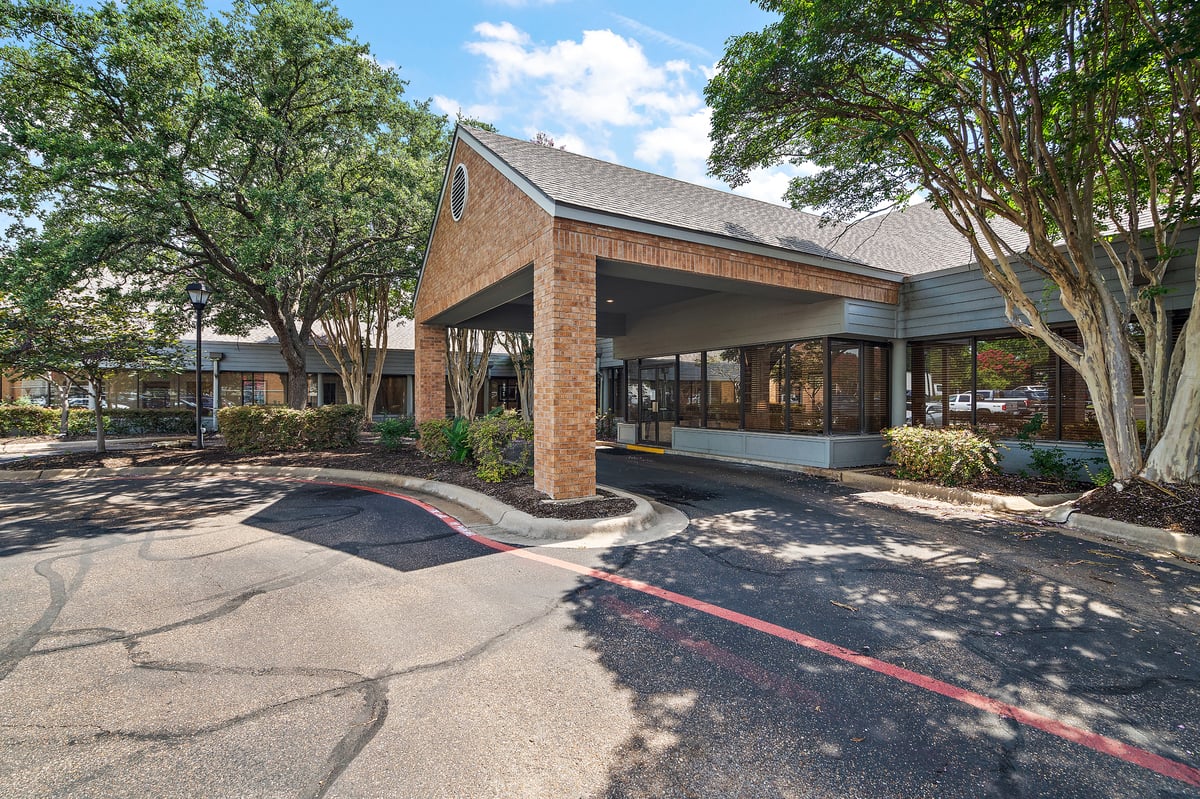
At Morada Temple, Skilled Nursing provides an option for older adults who need more advanced nursing and rehabilitation support. Understanding how care can reflect personal preferences may help ease concerns about the transition.
2. Worry About Being a Burden to Family
Many older adults hesitate to accept care because they don't want to place additional responsibilities on their children or spouse. They may feel guilty about needing assistance or worry that professional support will create financial pressure.
These feelings can lead to resistance, even when additional care is recommended by a healthcare provider.
Families can explain that professional support may allow visits to focus more on spending meaningful time together rather than managing daily caregiving responsibilities.
Overcoming skilled nursing resistance often begins with reassuring a parent that accepting help doesn't diminish their role in the family. It simply changes how their needs are supported.
3. Fear of the Unknown and Unfamiliar Environments
Uncertainty about skilled nursing care can make the transition intimidating. Older adults who haven't visited a community may have outdated impressions or worry about unfamiliar routines.
Addressing skilled nursing fears starts with providing accurate information and opportunities to ask questions.
Consider these steps:
- Schedule a tour to explore living spaces and meet team members.
- Ask about nursing support, rehabilitation services, meals, and daily routines.
- Discuss how personal belongings and familiar preferences can be incorporated into community life.
For families in Temple, TX, visiting Morada Temple offers an opportunity to learn more about its Skilled Nursing services and ask how individual needs are addressed.
Seeing the community firsthand can make the experience feel more familiar and help replace assumptions with a clearer understanding of what to expect.
4. Concern About Cost and Financial Security
Financial worries are another reason older adults resist skilled nursing care. They may fear using their savings, leaving fewer resources for a spouse, or creating expenses their children cannot afford.
These concerns deserve thoughtful, transparent conversations rather than quick reassurance.
Families can begin by reviewing:
- Medicare coverage and any applicable limitations
- Long-term care insurance policies and available benefits
- Medicaid eligibility, Veterans benefits, and other potential assistance programs
Skilled nursing costs and coverage vary depending on medical needs, eligibility, and the services provided. Medicare generally covers qualifying short-term skilled nursing services rather than ongoing custodial care.
Requesting a clear explanation of costs and payment options can help families plan realistically. Understanding the financial picture is an important part of helping parents accept care.
5. Anxiety About Losing Familiar Surroundings and Connections
Home represents more than a physical space. It holds memories, familiar routines, and relationships with neighbors and friends. Leaving that environment can bring genuine sadness, particularly for someone who has lived in the same area for decades.
For older adults in Temple, remaining close to familiar neighborhoods and family members may make the transition more comfortable.
Morada Temple offers both Independent Living and Skilled Nursing, providing different living options within the same community. Families can explore which option reflects their loved one's current needs.
Bringing photographs, favorite blankets, or other meaningful belongings may also help create a sense of familiarity. Maintaining regular visits and personal connections can make adjusting to a new environment feel less overwhelming.
6. Fear of Health Decline and Mortality
Sometimes, resistance to skilled nursing care reflects deeper concerns about aging, changing health needs, or mortality. Moving into a community may feel like acknowledging changes that someone isn't emotionally ready to accept.
Families should give these feelings room rather than dismissing them.
Conversations with healthcare providers, counselors, or spiritual advisors may help older adults process their concerns. It can also help to explain that skilled nursing care focuses on addressing current medical needs, supporting recovery when appropriate, and maintaining comfort and quality of life.
Understanding the emotional reasons behind resistance allows families to approach decisions with greater compassion.
Helping Parents Accept Skilled Nursing Care With Confidence
Helping parents accept care takes time, listening, and honest conversations. Rather than focusing only on why additional support is necessary, ask what concerns them most and involve them in decisions whenever possible.
At Morada Temple, families can explore Skilled Nursing services and learn how nursing and rehabilitation support may fit their loved one's needs.
Schedule a tour of Morada Temple to meet the team, ask questions, and explore available care options together.