Summary
Occupational therapy after stroke helps people relearn everyday tasks like dressing, cooking, and personal care through structured practice and skilled support. In a skilled nursing community, residents receive coordinated rehabilitation with therapists, nurses, and specialists working together to support meaningful recovery goals.
- Occupational therapy addresses fine motor skills, coordination, memory, and problem-solving through practical exercises like buttoning clothing and managing meals.
- Skilled nursing stroke care includes medication management, nutritional support, physical and occupational therapy, and regular progress evaluations.
- Practicing newly learned skills throughout daily routines reinforces therapy gains and builds confidence in familiar environments.
- Adaptive equipment and alternative strategies help residents complete tasks safely when previous methods no longer work.
- Recovery looks different for everyone; therapy focuses on supporting independence and participation in daily life at each person's own pace.
Recovery after a stroke involves more than regaining physical strength. For many individuals, returning to everyday routines means relearning tasks such as getting dressed, preparing meals, and managing personal care. Occupational therapy after stroke focuses on these practical skills, helping people regain confidence and work toward greater independence.
Skilled nursing communities provide structured rehabilitation services to support this process. Through personalized therapy, nursing support, and opportunities to practice everyday skills, residents can work toward recovery goals at a pace that reflects their individual needs.
How Occupational Therapy After Stroke Supports Recovery
A stroke can affect fine motor skills, coordination, memory, and problem-solving abilities. OT services for stroke survivors address these challenges through exercises and practical tasks designed around each person's abilities and goals.
Therapists may focus on upper-body strength, hand-eye coordination, and strategies for completing everyday routines. Common therapy exercises include:
- Buttoning clothing, fastening zippers, and getting dressed
- Using utensils and managing everyday mealtime tasks
- Organizing medications and following daily reminders
These exercises help residents practice movements and strategies they can use outside therapy sessions. Rather than focusing solely on physical improvement, occupational therapy emphasizes meaningful tasks that support daily living.
Progress looks different for everyone. Some residents may regain skills relatively quickly, while others benefit from continued practice, adaptive equipment, or alternative ways to complete familiar tasks.
What Skilled Nursing Stroke Care Includes
Stroke recovery skilled nursing provides access to nursing support and rehabilitation services for individuals who need additional assistance following hospitalization.
A coordinated care approach may involve registered nurses, occupational therapists, physical therapists, and speech-language pathologists. These professionals work together to address medical needs while supporting functional recovery.
Depending on individual needs, skilled nursing stroke care may include:
- Medication management and ongoing health monitoring
- Nutritional support and assistance during meals
- Physical, occupational, and speech therapy
- Progress evaluations and adjustments to rehabilitation plans
This coordination helps residents receive support that reflects their changing abilities and recovery goals.
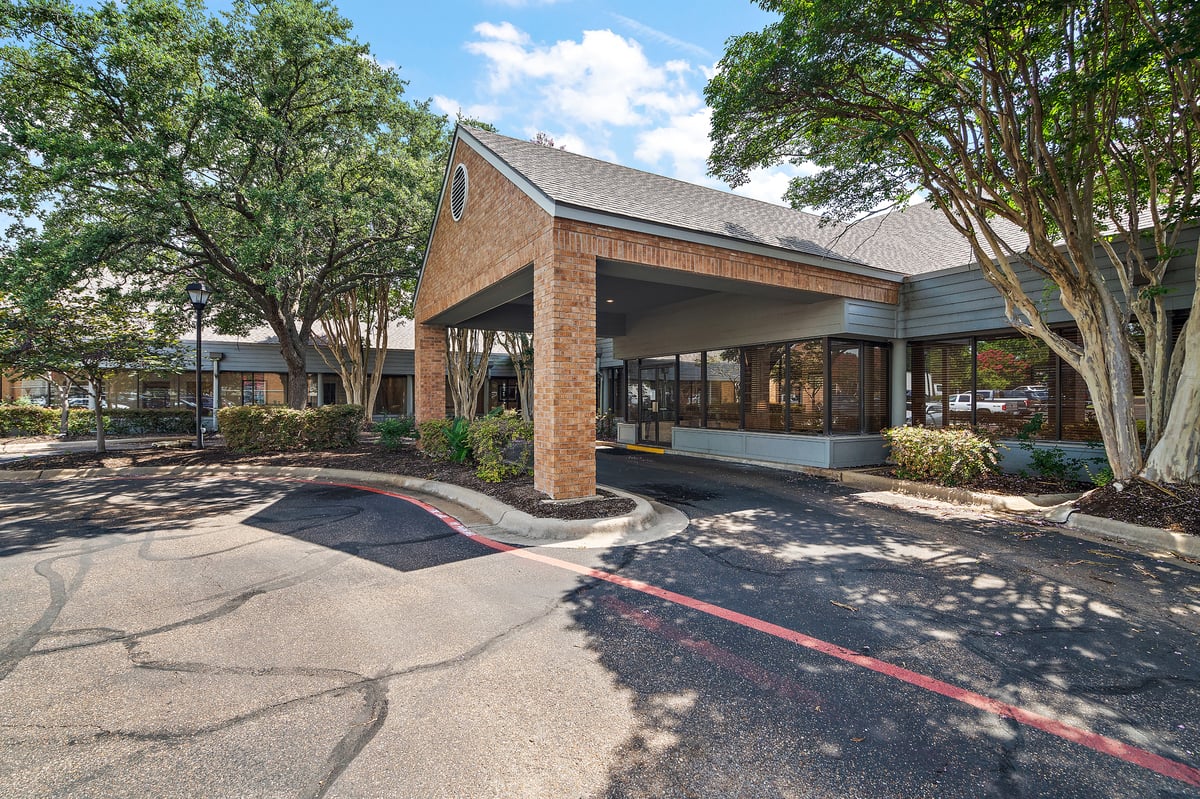
At Morada Temple in Temple, TX, Skilled Nursing offers an option for older adults who need advanced rehabilitation and nursing support when medical needs are higher. Families exploring post-stroke recovery can discuss available therapy services and how rehabilitation fits into the community's approach to care.
Recovering Independence After Stroke Through Daily Practice
One advantage of skilled nursing rehabilitation is the opportunity to practice newly learned skills throughout the day.
While scheduled therapy sessions provide focused instruction, everyday routines offer additional opportunities to reinforce those skills. Residents may practice dressing, eating, grooming, or moving safely between familiar spaces with appropriate guidance.
Repetition helps people become more comfortable with tasks that may initially feel frustrating or unfamiliar.
The community environment can also provide valuable social connections during recovery. Shared meals, conversations, and suitable group programs offer opportunities for engagement beyond formal therapy sessions.
For individuals recovering independence after stroke, these everyday experiences can support confidence while helping establish a comfortable routine.
Understanding Stroke Rehabilitation Programs
Stroke rehabilitation programs generally begin with an assessment of the individual's physical, cognitive, and functional abilities.
Occupational therapists identify areas where additional support may be helpful and establish realistic goals based on the resident's needs and preferences.
Common Areas of Occupational Therapy
Therapy plans may address several everyday skills:
- Personal care tasks, including bathing, grooming, and dressing
- Household tasks, such as preparing simple meals and organizing belongings
- Cognitive skills involving memory, attention, and problem-solving
Therapists may also recommend adaptive equipment, including specialized utensils, dressing aids, or tools that make daily tasks easier.
Regular evaluations help determine whether rehabilitation strategies should change as residents make progress.
The goal isn't necessarily to return every skill to its previous level. Instead, therapy focuses on helping each person participate in daily life as safely and comfortably as possible.
Choosing the Right Community for Stroke Recovery
Finding appropriate rehabilitation support involves understanding both the resident's needs and the services a community provides.
When comparing skilled nursing communities, families should ask about therapist qualifications, stroke rehabilitation experience, available equipment, and how often therapy sessions are scheduled.
It's also helpful to understand how nursing professionals and therapists communicate about progress and coordinate care.
Location can influence the decision, particularly when family members want to visit regularly or participate in care planning.
For families in Temple, Morada Temple provides a local setting to explore Skilled Nursing services. The community also offers Active Independent Living, although rehabilitation and nursing support serve different needs than its maintenance-free residential lifestyle.
Touring the community and discussing specific rehabilitation requirements can help families determine whether its services align with their loved one's recovery plan.
Explore Skilled Nursing at Morada Temple
Recovering after a stroke takes time, patience, and consistent support. Occupational therapy can help individuals practice essential skills, adapt to changes, and work toward greater independence.
Morada Temple offers Skilled Nursing in a welcoming community setting, giving Temple-area families a local option to consider when rehabilitation and ongoing nursing support are needed.
Schedule a tour of Morada Temple to learn more about available Skilled Nursing services and discuss your loved one's recovery needs.