Summary
Determining whether your mother is ready for going home after rehabilitation requires careful consideration beyond medical clearance. Families should assess mobility, medication management, daily living skills, available support, and cognitive function to ensure a safe transition.
- Evaluate your mother's ability to move safely around her home, including stairs and bathroom access, and consider necessary modifications like grab bars and improved lighting
- Assess whether she can independently manage multiple medications, remember dosages, open bottles, and request refills without assistance
- Consider her stamina for daily tasks like meal preparation, bathing, and household chores—therapy sessions don't always reflect real-world demands
- Determine what family members and community services can realistically provide, including meal delivery, transportation, and regular check-ins
- Discuss any cognitive changes with her healthcare team before discharge, as illness and medications can affect memory and decision-making ability
After weeks of rehabilitation following surgery or illness, families face an important question: Is Mom ready to return home? While therapy focuses on rebuilding strength and mobility, going home after rehabilitation requires more than medical clearance. Families also need to consider everyday safety, personal needs, and available support.
Understanding five key factors can make discharge planning after rehab less overwhelming. A thoughtful assessment helps families determine whether returning home is realistic or whether additional support may be needed.
1. Mobility and Fall Risk
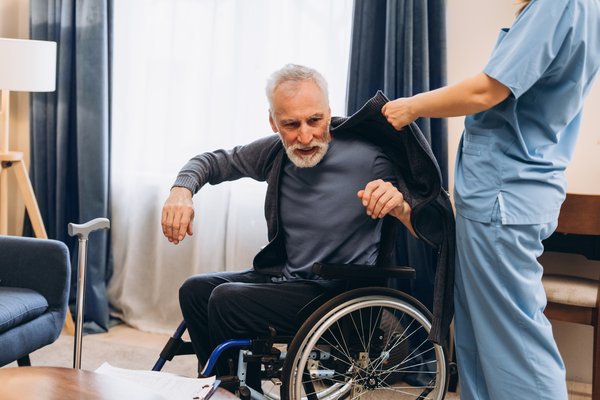
One of the biggest considerations for a safe discharge from skilled nursing is your mother's ability to move around her home. She may walk comfortably during physical therapy but still struggle with stairs, getting into the bathtub, or moving between rooms.
A post-rehab safety assessment should consider whether she can safely use the bathroom at night, get out of bed, and move around when tired.
Home Modifications That May Help
Simple changes can make everyday movement easier:
- Grab bars near toilets, showers, and bathtubs
- Raised toilet seats for easier transfers
- Stair lifts for multilevel homes
- Nonslip flooring and improved hallway lighting
These modifications may take time to arrange. Before discharge, confirm that essential changes are complete and any necessary mobility equipment is available.
2. Medication Management Capabilities
During rehabilitation, nursing team members typically help manage medications. At home, your mother may need to handle several prescriptions independently.
Consider whether she can:
- Remember which medications to take and when
- Open prescription bottles without difficulty
- Read labels and understand dosage instructions
- Recognize potential side effects
- Request refills before medications run out
Pill organizers and reminder systems can help, but they aren't suitable for everyone. If medication management remains difficult, discuss available support with her discharge team.
3. Daily Living Skills and Self-Care
Transitioning home after therapy involves more than walking safely. Your mother also needs enough strength and stamina to manage her usual routines.
Can she prepare meals, bathe, dress, and handle laundry without becoming exhausted? Is she comfortable completing these tasks without someone nearby?
Look Beyond Therapy Sessions
A short therapy session doesn't always reflect the demands of an entire day. Someone may feel confident walking down a hallway but struggle after preparing breakfast, showering, and completing household chores.
Pay attention to how fatigue affects her ability to manage everyday responsibilities.
If preparing meals or maintaining the household becomes challenging, consider whether family assistance, meal delivery, or a different living arrangement could help.
4. Available Family and Community Support
Returning home doesn't necessarily mean managing everything alone. Many older adults benefit from extra help as they rebuild their strength.
Before discharge, discuss what family members can realistically provide. Consider transportation, grocery shopping, household responsibilities, and follow-up appointments.
Support Services Worth Exploring
Depending on your mother's needs, helpful resources may include:
- Meal delivery services for convenient daily meals
- Home health visits for eligible medical needs
- Adult day programs for social connection and supervised engagement
- Transportation services for appointments and errands
If your mother lives alone, determine who can check in regularly and respond when she needs assistance.
Families should also discuss backup arrangements if a primary caregiver becomes unavailable.
5. Cognitive Function and Decision-Making
Physical recovery often receives the most attention, but cognitive changes can also affect safety after rehabilitation.
Consider whether your mother remembers important instructions, recognizes emergencies, and makes safe decisions throughout the day.
Can she use the telephone to request help? Does she remember to turn off appliances and follow medication instructions?
Illness, hospitalization, and certain medications may affect mental clarity. Some changes improve during recovery, while others require further evaluation.
Discuss any concerns with her healthcare team before discharge rather than assuming they will resolve on their own.
When Seniors Can't Go Home After Rehab
Sometimes, returning home immediately isn't the safest or most practical choice. If your mother still needs substantial assistance, additional rehabilitation or nursing support may be appropriate.
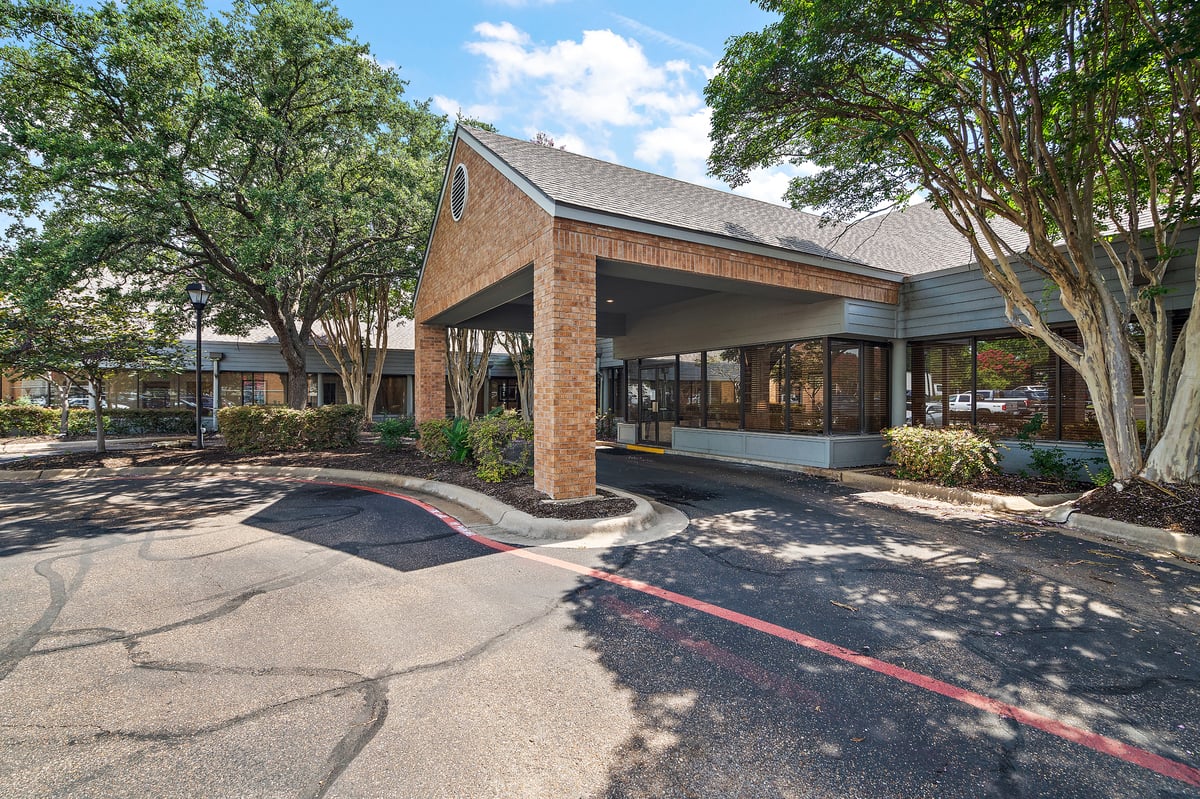
Families exploring options in Temple, TX, can consider Morada Temple, which offers Active Independent Living alongside Skilled Nursing services.
Considering Different Levels of Support
Morada Temple's range of living options lets families choose what best fits their needs, from a more convenient daily lifestyle to advanced rehabilitation and nursing support when medical needs increase.
Active Independent Living may suit older adults who can manage their personal needs but want fewer household responsibilities and more opportunities for social connection.
Skilled Nursing, meanwhile, serves individuals who require a higher level of medical attention or rehabilitation.
The right choice depends on your mother's current needs, professional recommendations, and long-term goals.
Making a Confident Decision After Rehabilitation
Deciding whether Mom can return home involves balancing her preferences with practical safety considerations. Review mobility, medication management, daily routines, family support, and cognitive function with her discharge team.
If returning home isn't the right next step, exploring senior living options at Morada Temple can help your family understand the available choices.
Contact Morada Temple today to schedule a tour and learn more about the community's living options and services.